Dental Implants Nocatee
Crafting Permanent Smiles That Can Last a Lifetime
When considering your options for tooth replacement, you might appreciate the reliability offered by dental bridges and dentures; however, you may prefer the permanence provided by dental implants. As long-lasting prosthetics that replace the crown of a tooth as well as its root, these small titanium posts can change the way you view yourself and your smile for the rest of your life. Give us a call to find out how you can take advantage of dental implants in Nocatee at Palm Leaf Dental.
Why Choose Palm Leaf Dental for Dental Implants?
- Entire Implant Process Performed In-house
- All-On-4 Dental Implants Are Available
- We Will Work to Maximize Your Dental Benefits
What Are Dental Implants?
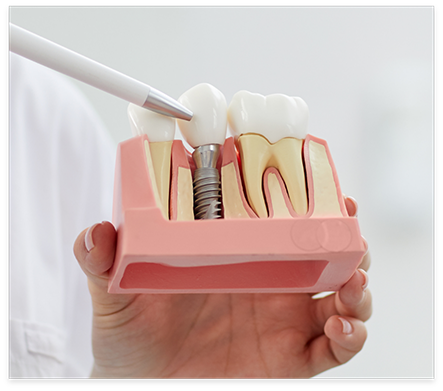
Dental implants are the only known root-to-crown tooth replacement. Offering the same level of stimulation and stability as natural teeth, they are surgically placed within the jawbone and can last a lifetime with proper care. Their versatility makes them suitable for supporting crowns, bridges, and dentures, even All-On-4.
The 4-Step Dental Implant Process
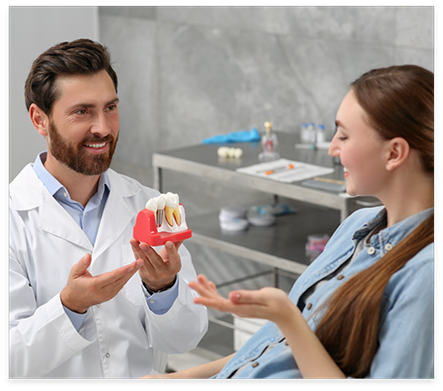
Dental implants are placed through a specialized process that takes several months, so it usually takes considerably longer to receive them than traditional restorations like dentures and bridges. However, these amazing prosthetic devices deliver a range of incredible benefits that make them well worth the time and effort. At Palm Leaf Dental, we are proud to complete the entire implantation process in our office in Ponte Vedra Beach. While each implant treatment is unique, every patient can expect to go through the following four steps: consultation, surgery, osseointegration, and delivery of the final restoration.
Initial Dental Implant Consultation

The first step to receiving dental implants is to schedule a consultation with Dr. Broe or Nami. During this visit, you will learn if you can immediately receive dental implants or if you require additional care such as bone grafting, gum disease treatment, or another procedure. In some cases, we may be able to suggest All-On-4 implants to avoid a grafting or sinus lift procedure. However, some patients may be better candidates for another type of restoration such as a traditional bridge or denture.
Dental Implant Surgery

Our own Dr. Nami will perform the implant surgery and ensure your posts are positioned appropriately. The process will begin with the patient receiving a local anesthetic to make the entire procedure painless. Then, our dentist will make small incisions in the gum tissue, carefully place your implants in your jawbone, and close the wounds around your new prosthetic devices. He will also place protective caps over your posts and provide you with detailed aftercare instructions to help ensure a smooth and speedy healing process.
Dental Implant Osseointegration & Abutment
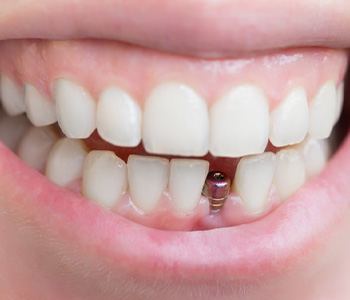
After your dental implants are placed, you’ll need to wait several months so they can bond with your jawbone. Osseointegration will occur during this time, fusing the implants with the bone tissues and creating the sturdy foundation your restoration needs for maximum lifespan and leverage. Once you have fully recovered, you will receive metal abutments, attachments that secure the restoration to the implant, during a second minor surgical procedure.
Delivery of Dental Implant Restoration(s)

When your permanent crown, bridge, or denture is ready, you’ll come back to our office to have it securely anchored in placed. We’ll then check your restoration for fit and bite, make any final adjustments, and send you on your way so you can show off your gorgeous and complete new smile. While you may need some time to get used to wearing your appliance, you’ll be able to begin using your artificial teeth normally when you feel comfortable doing so.
Benefits of Dental Implants

Have you ever wondered why dental implants are considered the “gold standard” in tooth replacement? If so, this next section is for you! In it, we’re covering a few of the many benefits that make them widely loved by patients and dentists alike.
Day-to-Day Benefits
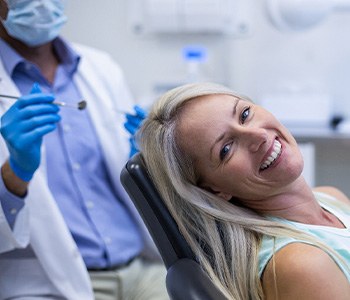
Shortly after you’ve healed, you’ll enjoy the following benefits of dental implants in Ponte Vedra Beach:
- Greater Confidence – Following tooth loss, did you find yourself going to great lengths to hide your smile? If so, dental implants can restore your confidence! Not only are they unmatched in stability, but the restoration secured on top will be custom-made just for you, which ensures that it looks and feels natural.
- Restored Bite Force – Unlike other tooth-replacement solutions, dental implants are secured to your jawbone. This helps avoid the embarrassment of accidental slippage while also restoring your ability to eat all of your favorite foods!
- Easy Maintenance – Simply put, you don’t need any expensive cleaning products to keep your dental implants in pristine condition. Just brush, floss, and rinse with mouthwash consistently. Then, every six months, come to our office so we can periodically monitor their condition.
Health Benefits

Dental implants can also benefit your oral and overall health in the following ways:
- The Ability to Eat a Varied Diet – As we mentioned above, dental implants get their strength from your jawbone. As a result, you’ll enjoy stronger bite force and chewing power, allowing you to eat a wide variety of nutrient-dense, well-balanced meals.
- Reduces the Risk of Dental Drift – Dental drift (when the teeth surrounding the gap shift out of alignment) can lead to several problems, including premature wear and tear. Fortunately, dental implants can seamlessly fill the spaces in your smile, helping to preserve the alignment of your bite.
- Helps Preserve Your Jawbone – With dental implants, your jawbone is stimulated each time you chew. Over time, this helps reduce the risk of facial collapse and bone loss.
Long-Term Benefits

Lastly, dental implants offer several long-term benefits, like:
- Cost-Effective – In addition to being self-supporting and lifelike, dental implants don’t require adhesives, special cleaning products, or regular replacements. As a result, they are often the best choice for your smile and your wallet.
- Long-Lasting – Another reason dental implants often end up being the most cost-effective option in the long run is because of their long lifespan. With proper care and maintenance, they can last for 30+ years!
- Maintain a Youthful Appearance – We mentioned above that dental implants help reduce the risk of facial collapse. They can also replace one tooth, several missing teeth, or an entire arch, which helps you look and feel your absolute best.
Want to learn more about dental implants, including if they are the best smile-rebuilding solution for you? If so, take the next step: schedule a consultation with us!
Maintaining & Caring for Your Dental Implant

Dental implants fuse with your jawbone through osseointegration, allowing them to last significantly longer than traditional bridges or dentures. With proper care, your new smile could easily last 30 years or even a lifetime! Fortunately, maintaining dental implants is straightforward and requires just a few simple steps. Here’s how you can ensure your implants remain in excellent condition.
Make Oral Hygiene a Priority

While dental implants are resistant to cavities, maintaining good oral hygiene is still crucial. In fact, it’s more important than ever. Poor oral hygiene can lead to gum disease, which is a leading cause of dental implant failure.
To keep your implants and the surrounding gum tissue healthy, it’s essential to maintain a clean mouth. Brush both your natural teeth and implants every morning and night, floss daily, and use an ADA-approved mouthwash regularly. This routine will help ensure the longevity and success of your dental implants.
Eat a Healthy Diet

Dental implants allow you to enjoy a wide range of foods but be cautious with overly hard or sticky items as they can damage or loosen your restoration. You should only eat these foods in moderation. For optimal implant health, include calcium-rich dairy products and leafy greens in your diet. These foods support a strong jawbone and healthy gums, providing a solid foundation for your dental implants and helping them last a lifetime.
Break Bad Habits

Certain habits can jeopardize your dental implants, with smoking being one of the most detrimental. Tobacco use (smoking, vaping, or chewing) can impair healing and prevent osseointegration, leading to implant failure. Smokers are also more than twice as likely to develop gum disease. We strongly recommend quitting tobacco at least two weeks before and ideally after surgery. Another harmful habit is chewing on hard or inedible objects, which can damage your implants. Instead of biting nails or chewing ice, try chewing sugar-free gum to protect your implants.
Protect Your Dental Implants
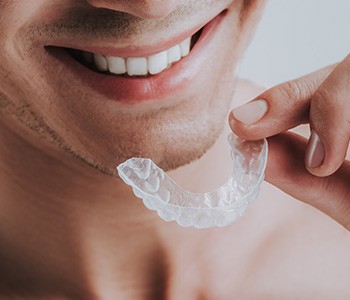
Dental implants may be durable, but they are not immune to damage. If you play sports, protect them with a custom mouthguard designed by your implant dentist to guard against impact. Similarly, if you grind your teeth at night, wearing a nightguard is essential. Chronic grinding can weaken and damage your implants, so a nightguard helps preserve their integrity and longevity.
Schedule Regular Dental Checkups
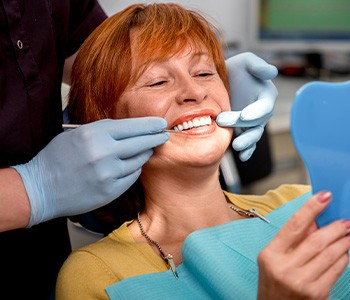
Even if you have no natural teeth remaining, regular dental checkups and cleanings are essential. These visits allow us to monitor the health of your dental implants and address any issues early. By catching and treating minor problems before they get worse, you can save time and money in the long run.
Understanding the Cost of Dental Implants
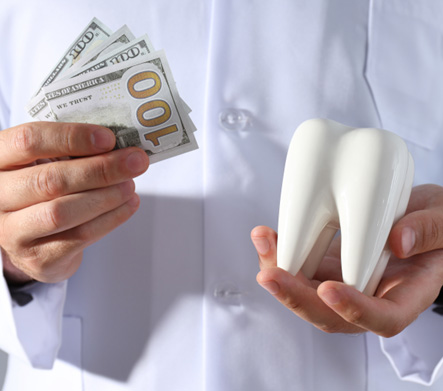
As effective as they are, you may worry that dental implants cost too much. Wouldn’t the gold standards of tooth replacement be a really expensive buy? However, the cost of dental implants varies by patient; you’ll need to consult our dentists for a precise estimate. Our team will also work to make your care affordable, walking you through its pricing factors, dental insurance, etc. For more precise details, simply keep reading or call our office.
Preliminary Treatments & Dental Implant Surgery
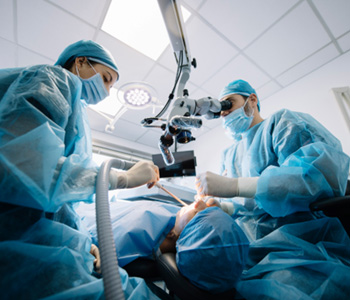
In some cases, a patient needs other dental services before dental implant surgery. These “extra” options can range from simple tooth extraction to gum disease therapy or bone grafts. If added to your care, they’ll add to your treatment expense; the upside is that dental insurance can partly cover them.
Don’t forget that dental implant surgery also incurs its own price. Based on factors like implant location, sedation options, and the treating surgeon, placement can cost more or less. Still, our practice ensures the surgery is worth its expense by working with local specialists. They’ll discuss exactly what you can expect to pay at the appropriate time.
The Parts of Your Dental Implant
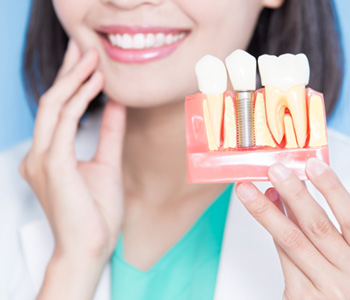
Of course, even your dental implants’ parts and features affect the final cost. These include:
- Implant Number – A dental implant treatment will cost more as more implants are placed.
- Implant Material – Based on your case, your dental implant(s) may use pricier materials like zirconia instead of titanium.
- Implant Brand – Dental implant brand also affects the price, as different manufacturers make implants differently.
- Restoration Type – Ultimately, dental crowns, bridges, and dentures have different costs.
How Dental Implants Pay for Themselves

While dentures and dental bridges do have lower upfront prices, dental implants are still more cost-effective. Getting them as replacement teeth will save you money in the long run.
Remember, dental implants can last 30 years or more (with proper care). They don’t need frequent repair or replacement work like other tooth replacements do. To that extent, patients can clean them like natural teeth and save money otherwise spent on dental care. Your new teeth would “pay off” more than dentures or dental bridges ever would.
Does My Dental Insurance Cover Dental Implants?

Dental insurance rarely covers dental implants, but exceptions do exist. There’s a chance your own plan offers benefits for a percentage of the restoration, a preliminary service, etc. That being the case, you could get a meaningful discount on your treatment.
You’ll ultimately want to consult your plan provider before you commit to anything. If you need help doing so, our team will gladly assist you.
Making Dental Implants Affordable

Regardless of dental insurance, it’s possible to make dental implants more affordable. You can rely on our practice’s payment options to ensure a manageable cost.
For example, our office happens to work with CareCredit – a reputable, 3rd party financial lender. They’d let you pay for dental implants in small monthly installments with little or no interest. That way, you could cover your treatment cost gradually.
Getting high-quality dental implants doesn’t have to “break the bank.” Instead, visit our office and learn how to finance your new teeth!
Dental Implant Post-Op Instructions
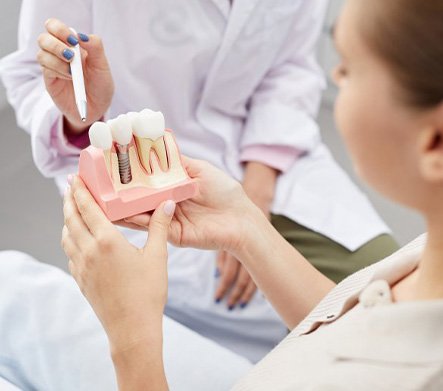
After your dental implant placement surgery, your mouth will need time to recover and heal. Because the osseointegration process is so important for implant restorations, it’s vital to follow the dental implant post-op instructions we’ll provide you with in Nocatee. They’ll help ensure the bone and implant posts fuse properly so you can enjoy your restoration for years to come!
What to Do Directly After Dental Implant Surgery
Soon after your surgery, healthy blood clots will form over your treatment sites to help protect the area from bacteria and infection. If the blood clots dislodge, you could experience a painful condition known as dry-socket.
To avoid this, do not spit, drink through a straw, smoke (or use any tobacco products), or touch the site with your fingers or tongue.
Common Side-Effects When Recovering from Dental Implant Placement
It’s considered normal to have intermittent bleeding, swelling, and discomfort for a week or so after your dental implant surgery. You can take over-the-counter pain relievers as necessary, use a cold compress to reduce swelling, and use gauze or a soft cloth to apply pressure to bleeding areas.
What’s not normal is prolonged or severe pain and heavy bleeding. If you experience these symptoms, call our office right away!
Your Diet After Dental Implant Surgery

Hard, crunchy, and sticky foods can disturb the osseointegration process, which means you’ll have to stick to a soft food diet during your post-op recovery. Here are examples of foods that will be safe for you to eat:
- Cooked pasta
- Mashed potatoes
- Scrambled eggs
- Smoothies
- Mild soups
Post-Op Health & Oral Hygiene

You’ll want to take extra care brushing and flossing your teeth while your mouth is still tender, but you should be able to go about your normal oral hygiene routine. Mitigating oral bacteria content will help prevent recovery complications, so be sure to brush twice daily and floss once per day.
We also recommend rinsing with salt water or a non-alcoholic mouthwash three times a day.
What to Do After Your New Teeth Are Attached

Once we attach your new teeth to your dental implants, you shouldn’t experience any more swelling or bleeding, though you might have some mild sensitivity. OTC pain relievers are usually effective at providing relief. Within a few weeks, your restoration should start to feel natural, and you’ll be able to enjoy all of the benefits of an implant-supported smile!
Dental Implant FAQs
How Long Do Dental Implants Last?
Dental implants can last for thirty years or more, which is several times longer than traditional bridges or dentures, but their exact lifespan depends mostly on the quality of the care they receive. To make your new teeth last as long as possible, stick to a daily oral hygiene regimen that includes brushing, flossing, and using antibacterial mouthwash. It’s also a great idea to avoid eating items that are too hard or sticky as well as opening bottles or packages with your teeth. Smoking is horrible for your oral health and a leading cause of implant failure, so kicking this habit can set your implants up for a long life.
Does Getting Dental Implants Hurt?
Before placing your dental implants, our dentist will administer a local anesthetic to ensure that you feel no pain during the procedure. The jawbone does not have many nerve endings in the first place, so there isn’t much discomfort involved after the procedure. While you may have a sore mouth for a few days, you can reduce this discomfort with over-the-counter pain medication or cold by applying a cold compress. If your discomfort seems to be getting worse after two or three days, contact our office in Ponte Vedra Beach.
Are Dental Implants Safe?
Dental Implants are incredibly safe for patients with sufficiently healthy mouths as long as they are placed by a qualified professional. While gum disease or low density in your jawbone may preclude you from receiving dental implants immediately, you may be able to become an excellent candidate for them later after treatments like gum disease therapy or bone grafts. While conditions like cancer, diabetes, and autoimmune disorders can complicate the surgery and healing process, we can discuss them during your consultation and develop your treatment plan accordingly.
How Successful Are Dental Implants?
Dental implants placed by a skilled professional boast a remarkable success rate of over 95% even after ten years, making them a sound investment in your oral health, appearance, and confidence as long as you commit to proper oral hygiene. You can help your implants last longer by brushing and flossing daily, attending regular dental exams and cleanings at our office, and eating a healthy diet. The lifespan of a dental implant can also be influenced by its location in the mouth, as molars may fail sooner than incisors since they endure more strain during the chewing process.
What Can Cause Dental Implants to Fail?
While dental implant failure is uncommon, it usually occurs due to peri-implantitis or failed osseointegration. Peri-implantitis is a gum infection that arises due to poor oral hygiene and results in damage to the bones and soft tissues supporting the implant, causing it to become loose. Osseointegration, on the other hand, happens when the implant fails to fuse properly with the bone tissue surrounding it, and it is much more likely if the patient has low bone density to begin with. Dental implants may also fail due to chronic teeth grinding, a tobacco habit, insufficient oral hygiene, certain medications, the head or neck being exposed to radiation, and health conditions like cancer, diabetes, osteoporosis, and autoimmune disorders. Our team will be happy to give you all the information you need to prevent implant failure during your consultation.