
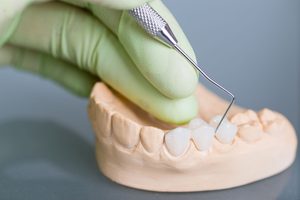
Tooth loss can make once-simple tasks, such as eating, speaking, and smiling, much more challenging. Thankfully, many dentists offer solutions, such as lifelike dental bridges, to rebuild a smile’s function and appearance after one or more teeth go missing.
Although these restorations are made from resilient ceramic meant to last, that doesn’t mean they’re completely invincible. Continue reading to learn about 3 potential causes of failure so you can avoid them and help maintain a happy, healthy smile!
Concern #1: Poor Oral Hygiene Practices
Dental bridges are replacement teeth made from resilient, customizable materials, such as durable ceramic, that are built to withstand the daily pressure of biting and chewing. But they’re not made from the same organic components as your natural enamel, so they can’t develop decay.
However, that doesn’t mean that you no longer need to brush or floss regularly. The teeth and connective tissues beneath and surrounding your prosthetic are still prone to all the same concerns as ever, meaning that you must maintain a consistent twice-daily at-home dental hygiene routine to prevent potential problems. If you struggle to floss around your bridge, you may benefit from an oral irrigator, which uses a jet of pressurized water instead of string to help remove bacteria and plaque buildup.
Concern #2: Insufficient Bone Support
Did you know that your jaw starts to thin after adult teeth go missing? It begins to degenerate without as many roots to stimulate new bone growth each time you bite down, and as a result, the bony ridges in your mouth start to flatten.
This can potentially affect your oral health in a few different ways. For example, your remaining teeth may shift out of alignment as your jaw thins, which can destabilize a dental bridge. Not only that, but if the foundation of your mouth can no longer support your natural teeth, you might lose the anchors holding your restoration in place. If you’re seeking a more reliable solution for tooth loss, you might be a good candidate for an implant bridge, which involves placing dental implants to support your new teeth instead.
Concern #3: Other Bad Habits
Do you tend to chew pen caps or ice cubes when you’re anxious, or do you subconsciously grind your teeth at night? If so, the added pressure placed on your enamel and jaw from frequently biting hard objects or unnecessary clenching can chip, crack, or destabilize your dental bridge.
You can avoid this type of damage by quitting your nervous nibbling habit or protecting your grin overnight with a custom-fitted nightguard to reduce the impact of bruxism, or chronic teeth grinding.
If you’re concerned about the condition of your dental bridge, your dentist can help repair or replace it as needed.
About the Practice
Patients at Palm Leaf Dental benefit from two providers who are passionate about helping families and individuals build the happiest, healthiest versions of their smiles. Dr. Nami and Dr. Broe collaborate to provide a comprehensive menu of services, including providing customized dental bridges, to meet the unique needs of people of all ages. Their caring approach is combined with state-of-the-art technology to deliver comfortable, beautiful, and long-lasting results. You can request an appointment on the website or call (904) 373-1300.