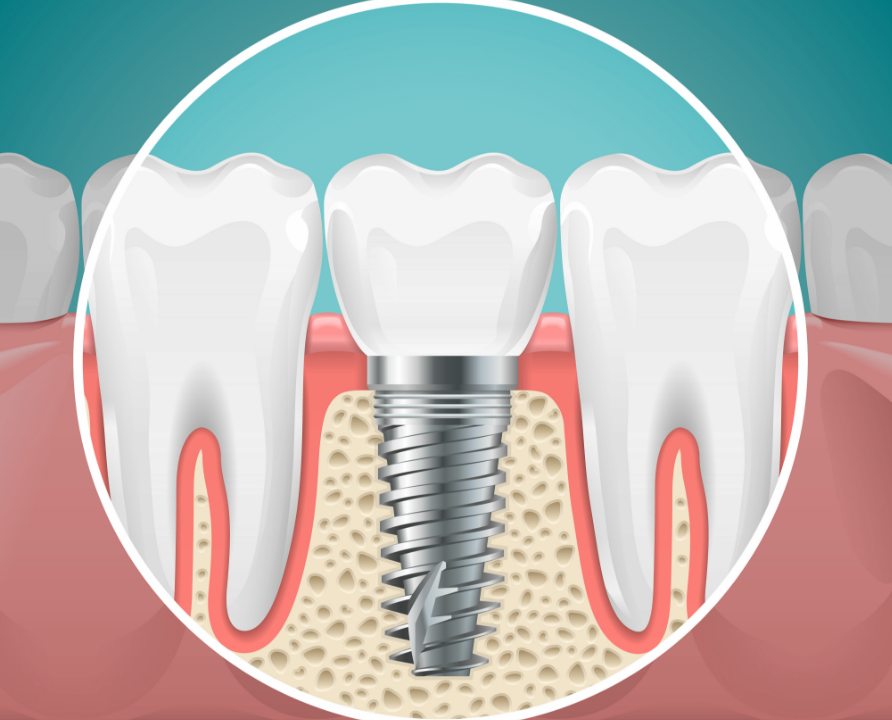
Dental implants are one of the most reliable and long-lasting tooth replacement options available today. With proper care, they can last for decades—sometimes even a lifetime. But just like natural teeth, implants can be affected by certain habits that undermine their stability and longevity. By recognizing and avoiding these behaviors, you can protect your investment and keep your smile strong and healthy.
Skipping Your Oral Hygiene Routine
Even though dental implants cannot get cavities, the surrounding gum tissue is still vulnerable to inflammation and infection. Failing to brush and floss daily can lead to peri-implantitis, a condition similar to gum disease that can weaken the bone supporting your implant. A consistent oral hygiene routine helps keep harmful bacteria at bay and protects the long-term success of your restoration.
Using Your Teeth as Tools
Tearing open packages, biting through tape, or twisting off bottle caps may feel convenient, but using your teeth as tools can place excessive pressure on your implants. This strain can damage the restoration or even compromise the implant’s position. Always use the proper tools instead of relying on your teeth to do the job.
Chewing Hard or Sticky Foods
Foods like hard candies, ice, caramel, or very crunchy snacks can put your dental implants at risk. Hard foods may crack or chip your restoration, while sticky foods can tug at crowns or weaken the bond between the implant and its supporting components. Choosing softer, less adhesive foods helps preserve both your implants and your surrounding natural teeth.
Grinding or Clenching Your Teeth
Bruxism—habitual grinding or clenching—exerts intense pressure on dental implants. Over time, this can loosen the restoration or damage the surrounding bone. If you suspect you grind your teeth, especially at night, talk to your dentist about a custom nightguard. This simple appliance can protect your implants and prevent unnecessary wear.
Smoking or Using Tobacco Products
Tobacco use is one of the biggest risk factors for implant failure. Smoking reduces blood flow to the gums, delays healing, and increases the risk of infection. These complications can interfere with osseointegration—the process in which the implant fuses with the jawbone. Avoiding tobacco entirely gives your implants the best chance of long-term success.
Avoiding Regular Dental Checkups
Although implants are durable, they still require routine monitoring. Dental checkups allow your dentist to check the health of your gums, ensure the implant is stable, and catch potential issues early. Skipping these visits can allow small problems to go unnoticed until they become more serious.
Protecting your dental implants is as simple as making smart choices and maintaining healthy habits every day.
About the Practice
Palm Leaf Dental provides high-quality dental implant care designed to restore function, confidence, and long-term oral health. Dr. Nami and Dr. Broe specialize in comprehensive implant services and personalized guidance to help patients protect their investment and enjoy lasting results. To learn more about dental implants, come visit us.
Call us at (904) 373-1300 or request an appointment online.